Bihar Has a Rare Opportunity: Let Development and Clean Air Grow Together
Bihar is witnessing an unprecedented wave of development. New highways, industrial parks, logistics hubs, airports, townships, educational institutions and manufacturing units are redefining the State’s economic landscape. Investment proposals worth thousands of crore rupees have been announced, and the Government’s focus on industrialisation and employment generation deserves appreciation.
This is the Bihar that generations have aspired to see. Being born and brought up in Patna, I have strong urge to see Bihar flourish in every sense. Yet, alongside this optimism lies an important question: Can Bihar avoid the air pollution crisis that accompanied rapid urbanisation in many other parts of India? Can the health be positively impacted by good air? The answer is yes but only if we act now and adopt appropriate strategy, meticulously plan and enforce on ground.
Having worked in the Commission for Air Quality Management (CAQM), which was created to address the severe air pollution challenges in DelhiNCR, the experience indicates how expensive and difficult it becomes to reverse environmental degradation after it has taken root. The experience of NCR offers Bihar a valuable lesson: prevention is always cheaper, more effective and socially beneficial, than cure. And, the set of positive intervention of CAQM, which is eveloving, is there to help us solve the problem.
Bihar’s air quality is already under stress. Several cities, including Patna, Gaya and Muzaffarpur, continue to remain among the high air pollution cities. Annual PM₂.₅ and PM10 concentrations in many urban areas remain substantially higher than India’s National Ambient Air Quality Standard of 40 µg/m³ and 60 µg/m³ respectively.
During winter months, PM₂.₅ concentrations frequently rise beyond 200 µg/m³, posing serious health risks, particularly for children, the elderly and those suffering from respiratory or cardiovascular diseases.
Unlike many coastal states, Bihar lies in the Indo-Gangetic Plain where low wind speeds, temperature inversion and persistent winter fog trap pollutants close to the ground. Even moderate emissions can therefore accumulate rapidly.
The National Clean Air Programme (NCAP) of India stressed the importance of regional-level air quality management. An airshed geographical area frequently affected by the same air mass, has to be taken care of when strategizing the program and coordination with other States become important.
Traditionally, Bihar’s pollution profile has been dominated by biomass burning, brick kilns, household cooking fuels and road dust. Resuspension of dust from unpaved roads and ongoing construction activities accounts for a massive chunk of coarse particulate matter (PM₁₀). Fast-growing traffic, overloaded trucks, and old diesel vehicles contribute heavily to both Particulate Matters. In addition, Biomass & Open Waste Burning led by domestic fuel usage and local waste burning, especially during the winter and post-monsoon seasons are major concerns. Regional emissions from surrounding brick kilns using older, polluting technologies add significantly to the overall emission load.
The concern is that without proper planning, thousands of individual emission sources—construction sites, trucks, boilers, diesel generators, brick kilns and expanding traffic—can collectively create an air quality crisis within a decade as development picks up in Bihar.
The scale of committed investment is unprecedented for Bihar and presents a strategic opportunity. If environmental safeguards—such as dust management, cleaner fuels, continuous emissions monitoring systems (CEMS), green logistics, afforestation, planation and, stringent compliance at ground—are integrated concurrently with projects, Bihar can avoid many of the air quality problems experienced in other rapidly industrializing regions.
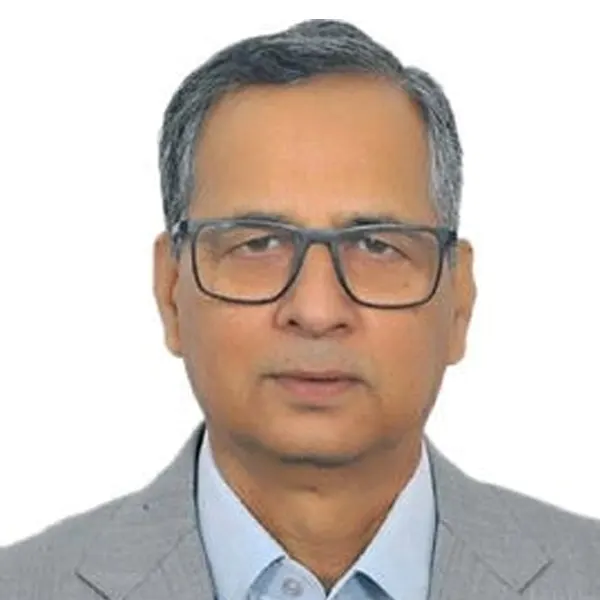
- The author is a retired Director, Ministry of Environment, Forest and Climate Change , Government of India who has worked in the Commission for Air Quality Management in NCR and Adjoining Areas (CAQM) as its Secretary and, Director. The views expressed are personal.
Rajesh Kumar